
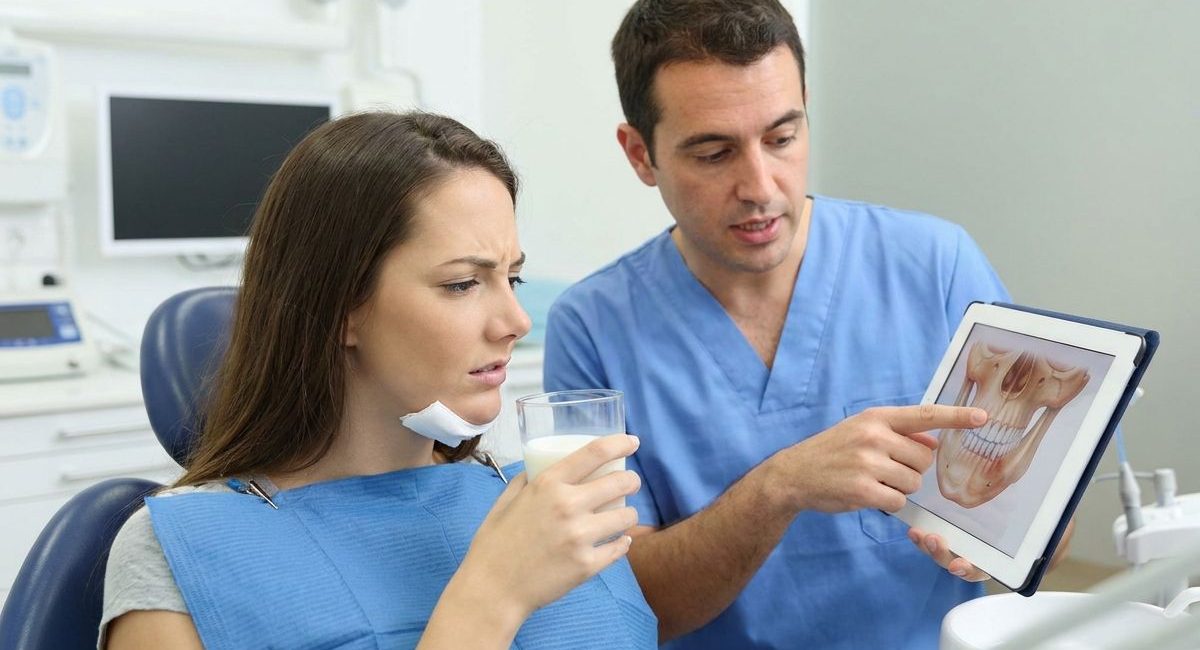
So you just had a dental implant placed and your dentist told you to stay away from dairy. You are probably wondering why yogurt or a glass of milk could possibly be a problem. It sounds overly cautious at first. But once you understand what is actually going on inside your mouth after that procedure, it starts to make complete sense.
The short answer is this. Dairy can coat the healing tissue with a film that bacteria love, it triggers extra mucus in a lot of people which messes with the blood clot, and it does not mix well with the medication you were sent home with. That combination makes it genuinely risky during the first stretch of recovery.
What Is Actually Happening After Implant Surgery
Getting a dental implant is not like getting a filling. It is a surgical procedure where a titanium post gets drilled into your jawbone. That creates a real wound in the gum tissue and bone around it. For the next several days, that area is wide open and healing.
Most people do not fully realize how sensitive that window is. The body is working hard to form a blood clot, close the tissue, and eventually fuse the bone to the implant. That last part takes months. But the early days are the most fragile, and what you eat plays a direct role in how smoothly that process goes.
The Bacterial Film Problem
When dairy sits in your mouth, it leaves behind a coating on the soft tissues. It is a mix of fat and protein and it sticks around even after you swallow. For most people in normal circumstances, that is not a big deal. The body just clears it.
But right next to a fresh implant site, that coating is a problem. Bacteria feed on it. And the implant area has not sealed up yet, so bacteria getting in there can cause a real infection. There is a condition called peri-implantitis where infection gets into the tissue around the implant and can actually cause it to fail. It is not common, but it is serious when it happens. Cutting out dairy in the early days helps avoid giving bacteria any extra opportunity.
Casein and the Mucus Issue
Here is one that surprises a lot of people. Milk contains a protein called casein, and casein causes the body to produce more mucus in many people. Not everyone reacts this way, but a significant number do.
Why does that matter after implant surgery? Because when mucus builds up, you cough. You clear your throat. You swallow harder than usual. Each of those things creates pressure and movement in the mouth and throat. And that can be enough to shift or dislodge the blood clot that is forming at the implant site.
A disrupted clot is bad news. It slows healing, increases pain, and opens the door to infection. It is the same reason you are told not to use a straw after a tooth extraction. The suction does the same kind of damage. Mucus buildup creates a similar problem just in a less obvious way.
Mixing Dairy with Post-Surgery Medication
Almost everyone goes home from implant surgery with two things: an antibiotic prescription and something for pain. Dairy interferes with both in different ways.
With certain antibiotics, calcium binds to the medication in the stomach and prevents it from absorbing properly. That means you are taking the antibiotic but not getting the full benefit of it. Your body is not fighting off potential infection as effectively as it should be.
On top of that, dairy combined with pain medication can cause nausea in a lot of patients. If that nausea turns into vomiting, that is genuinely one of the worst things that can happen in the first 24 hours after implant surgery. The physical force of it puts real stress on the wound. That is not a small concern.
Does Pasteurized Dairy Still Count
Yes, it does. Some people assume that because dairy is pasteurized it is basically bacteria-free. Pasteurization kills most bacteria but not all of them. There are still trace amounts left behind.
Under normal conditions those traces are harmless. But a healing surgical wound is not normal tissue. It is inflamed, open, and highly reactive. Even small amounts of irritation can slow the healing process or cause unnecessary swelling. So yes, even the milk you buy from a regular grocery store counts here.
How Long Do You Actually Need to Avoid It
It depends on what was done during your procedure.
For a standard single implant with no bone grafting involved, most dentists say 48 to 72 hours is the minimum. Many recommend playing it safe and going a full week.
If your implant involved bone grafting at the same time, the timeline gets longer. Bone grafts need time to integrate with your existing bone, and that process is sensitive. For patients who had grafting done, a lot of surgeons extend the dairy restriction to four to six weeks.
The most important thing here is to follow whatever your own dentist told you. Not a general timeline from the internet. They know what they actually did during your procedure and they set the timeline based on that.
What to Eat During Recovery
You have more options than you might think.
Clear broths and warm soups are easy to eat and keep you hydrated. Mashed potatoes, applesauce, and well-cooked soft fish are all solid choices after the first day or so. Scrambled eggs cooked soft work well too. If you want a smoothie, swap the milk for almond milk, oat milk, or coconut milk. Avocado is genuinely one of the better recovery foods because it is soft, calorie-dense, and has healthy fats that help with tissue repair.
Things to avoid go beyond just dairy. Hot liquids, anything crunchy, spicy food, alcohol, and straws all need to stay off the table during the early recovery period.
Questions People Usually Have
Can I have ice cream?
A lot of people assume ice cream is fine because it is cold and soft. But it is still dairy, so the bacterial coating and casein concerns still apply. Dairy-free sorbet is the better call if you want something cold.
What if I already had some dairy by accident
It is not an automatic disaster. Rinse gently with warm salt water and keep an eye on the area. If you notice unusual swelling, pain that is getting worse instead of better, or anything that looks off, call your dentist. Otherwise mention it at your follow-up appointment.
Does this apply to bone graft procedures?
Yes, and with stricter guidelines in most cases. The graft site is healing alongside the implant and it is just as vulnerable. Most surgeons extend the restriction to four to six weeks when grafting was involved.
Is dairy actually proven to cause implant failure?
There is no study that points directly to dairy as the cause of implant failure on its own. The recommendation is built on understanding the separate risks and combining them. The bacterial film concern is real. The clot disruption concern is real. The medication interaction concern is real. Taken together they make a strong enough case, especially when the cost of a failed implant is considered. A week or two without cheese is a reasonable trade.