
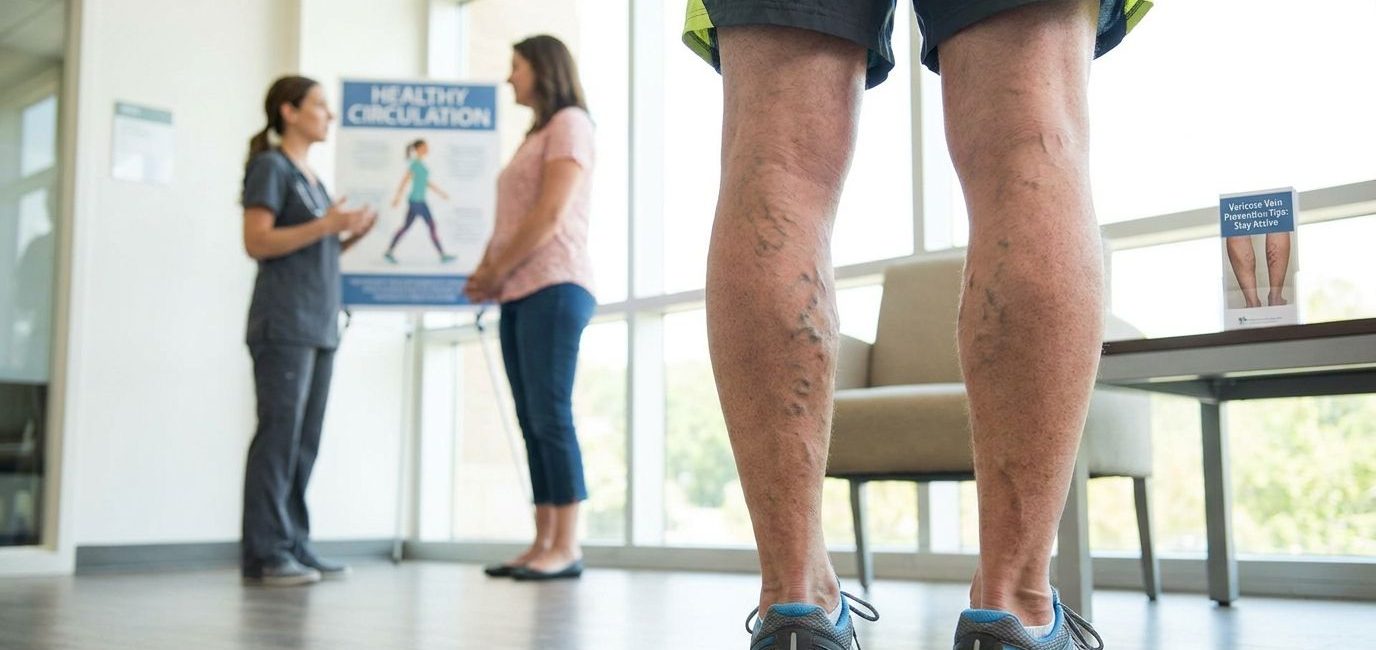
If you want to stop varicose veins from coming and want your blood to travel well, you must take away the big pressure from your leg veins and make your calf muscles strong. Changing small things in your daily life helps the most. Moving your body often, putting your feet up when you relax, and wearing light compression stockings are the most useful ways for daily care. When you keep the legs moving and give them outside support, you help your body fight gravity so the blood does not stay trapped down in your lower legs.
The Way Calf Muscles Help Blood Go Up
The heart sends blood down to your feet, but the calf muscles do the job to push it back up to the body. Every time you walk, these leg muscles squeeze your veins like a simple natural pump. If you sit down or stand up without moving for too many hours, this muscle pump stops working and the blood just stays in your legs. Walking every day, riding a bicycle, or swimming keeps these muscles busy so fluid does not get stuck.
Giving Your Legs a Break from Gravity
Gravity always pulls your blood down to the floor, and this brings continuous stress for the tiny valves inside your leg veins. To give your veins a rest, lift your feet higher than your heart level for fifteen minutes, a few times every day. You can lie on the bed and put three or four pillows under your feet. This easy position lets the fluid drain back to your upper body naturally, taking away the heavy pressure from inside the vessels.
Supporting Your Veins with Compression Socks
Compression stockings give your legs good support from the outside so the veins do not stretch out too much. These special socks are very tight at the ankle part and get looser as they go up the leg, which helps the blood travel upward easily. If your job makes you stand in one spot or sit at a desk all day long, wearing socks with a light rating of 15 to 20 mmHg stops that heavy, tired feeling before it starts.
How Daily Food Changes Fluid Pressure
The things you eat change how much fluid pressure builds up inside your body. It is very important to eat a lot of fiber because it stops constipation. Straining during digestion creates a strong pressure inside your stomach that actually pushes down into your leg veins. Also, cutting down on salt and eating foods with plenty of potassium, like sweet potatoes or bananas, stops your body from holding extra water that overworks your circulation.
Selecting Better Shoes and Clothes
The clothes and shoes you wear can help or hurt your blood flow. High heels keep your calf muscles locked in an unnatural position, so they cannot flex and pump blood well. Choosing flat or low shoes lets your feet and calves move in a natural way. You should also avoid clothes that fit too tightly around your waist, groin, or thighs, because tight waistbands act like a roadblock for the moving fluid.
Lowering Weight to Take Away Strain
Carrying extra body weight adds a heavy load to your legs and puts constant stress on your whole vein network. When you maintain a healthy weight, you lower the daily pressure your veins have to handle all the time. Keeping your body weight in a good range is a direct way to protect your lower body from getting worn out over time.
Making Small Movements on Busy Days
When you cannot avoid a long workday at a desk or standing on a hard floor, you must break the stillness with small movements. If you have to stand, try rocking back and forth from your heels to your toes or shifting your weight. If you sit, do not cross your legs at the knees because this pinches the veins and stops flow. Standing up to stretch for just one minute every hour resets the pressure in your lower legs and keeps things moving.