
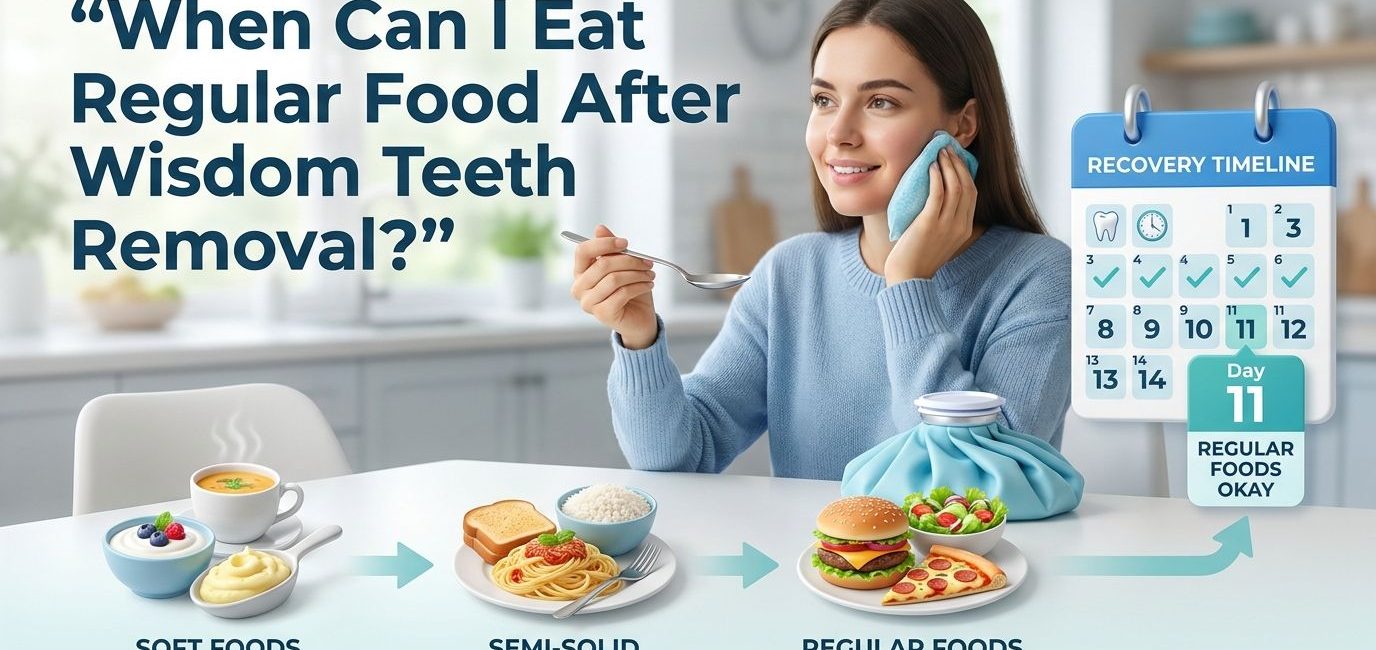
So your wisdom teeth are out and you’re sitting there wondering if you can just sneak a slice of pizza. Honestly, most people can go back to eating regular food somewhere around day 7 to day 10. Not day 3. Not day 5 no matter how good you feel. Day 7 at the earliest, and only if your mouth is actually cooperating. At The Paper Roll, we get that recovery feels long when you’re surviving on yogurt and broth, so here’s a straight answer on what’s actually safe and when.
The First Three Days Are Brutal and That’s Normal
Your mouth just went through surgery. Even if it was quick, there’s an open wound sitting where your tooth used to be. A blood clot forms inside that socket and that clot is basically doing all the work right now. It’s protecting bone and nerve endings while your body figures out what to do next.
The reason everyone tells you to eat soft, cold foods isn’t just generic advice. It’s because heat, pressure, and suction can all dislodge that clot. And a dry socket, which happens when the clot comes out too early, hurts significantly more than the extraction itself. So yes, skip the straw. Cool yogurt, smooth mashed potatoes, applesauce, broth. That’s the menu and it’s not negotiable for these first few days.
Day 4 to 7 Is Where Most People Mess Up
Swelling goes down, pain gets manageable, and suddenly it feels like the hard part is done. It’s not. The socket is still wide open and healing under the surface even when you feel mostly fine.
Soft solids are okay during this stretch. Scrambled eggs work well. Oatmeal, soft pasta, steamed vegetables that are genuinely soft, not just cooked a little. Flaky fish is actually a great option here. The trick is chewing on the opposite side of your mouth every single time. It sounds annoying but it genuinely prevents a lot of problems.
One thing people don’t think about is rice and small seeds. They seem harmless but they get stuck in the socket and cause irritation or infection. Same with granola. Stick to things that stay in one piece.
Why Rushing Back to Normal Food Backfires
Inside the socket, your body is building something called granulation tissue. New tissue that slowly becomes the base for permanent bone and gum regrowth. During the first week, that tissue is fragile. Genuinely fragile. Hard food, chewy food, anything that needs real biting force can break it apart before it’s had time to stabilize.
That’s why people who feel fine on day 5 and eat a burger end up back at the dentist on day 6. Not because they were unlucky. Because the tissue wasn’t ready even though the pain had mostly gone.
When You Can Actually Eat Regular Food Again
Days 7 to 10 is the realistic window. But your mouth gives you a pretty clear signal. Try chewing gently on the side where the extraction happened. Pain means wait. No pain means you’re likely okay to start eating more normally again.
Start with softer versions of regular meals first. Well-cooked chicken, regular pasta, soft bread without a hard crust. You can eat regular food after wisdom teeth removal during this phase but there’s no reason to test your limits on day 7 with a bag of chips.
Spicy food and anything acidic, tomato sauces, citrus, anything vinegar-heavy, can still irritate the tissue even when everything else feels fine. Most people do better waiting until closer to two weeks for those.
Complicated Extractions Need More Time
An impacted wisdom tooth that required cutting through gum and adjusting bone is not the same as a clean simple pull. If your dentist told you it was a difficult extraction, your recovery timeline is longer. Simple as that. Add several days to every phase. The wound goes deeper, swelling takes longer to fully go down, and the tissue needs more time to actually close.
Trying to speed through recovery when the extraction was complex almost always leads to a setback.
A Few Foods That Stay Off the List Longer Than You Think
Alcohol interferes with healing and reacts badly with pain medication. Hot drinks stay risky longer than most people expect because heat causes ongoing irritation to healing tissue. Sticky foods like caramel can pull at gum tissue that looks healed but isn’t fully stable yet.
Nuts are honestly the last thing to bring back. Small pieces find their way into the socket even weeks into recovery and cause problems that feel random but aren’t.
Just Listen to Your Mouth
Day 7 works for some people. Others still feel sensitivity going into week three. Both are completely normal. The real sign you’re ready is no pain when chewing, no unusual swelling, no strange taste or smell near the extraction site.
If something starts feeling worse after you’ve already moved back to normal food, stop and go back to soft options. Then call your dentist. Problems caught early are always easier to fix than ones that sit for a few more days.